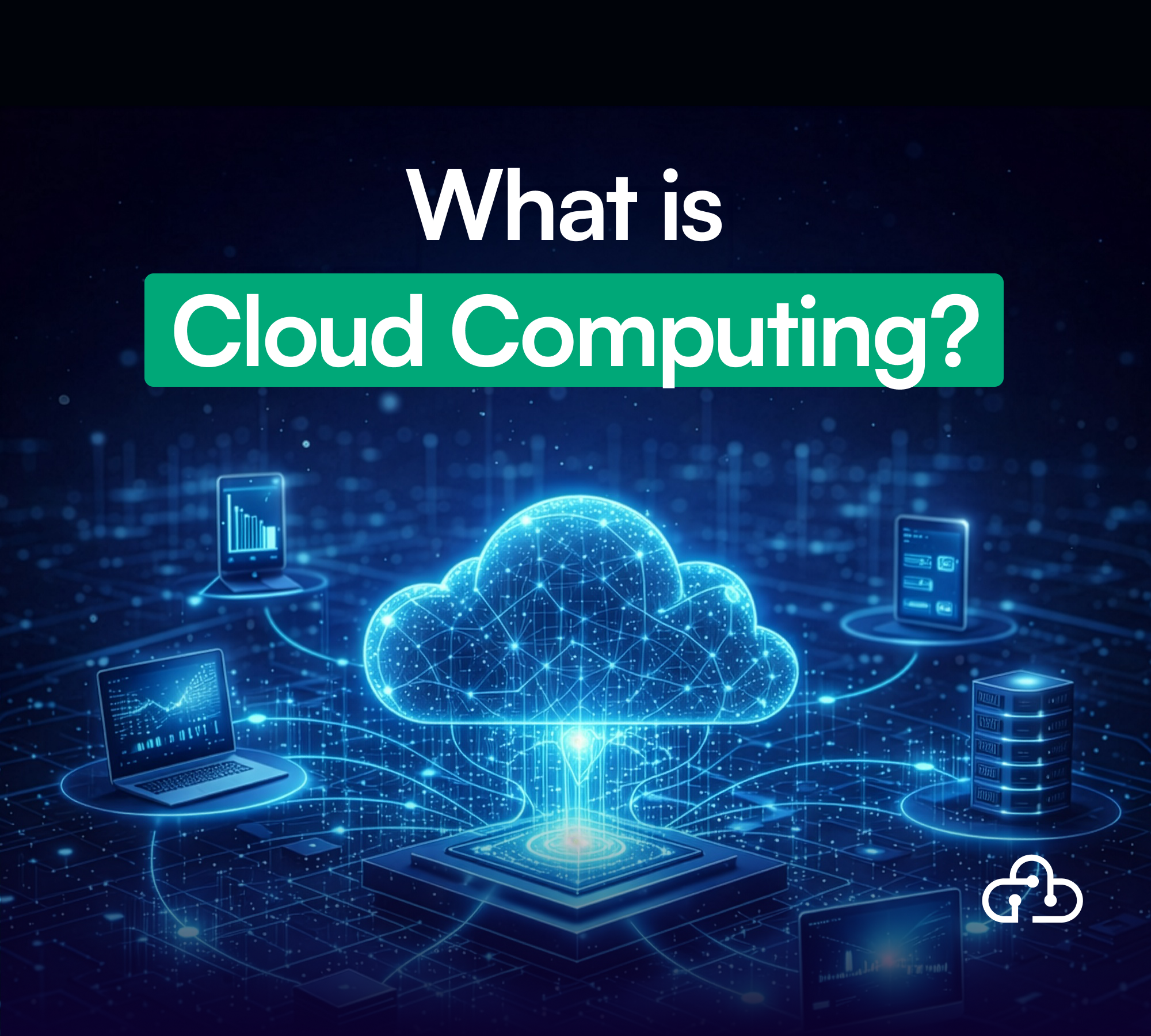
Understanding Cloud Computing
Cloud computing refers to the on-demand delivery of IT resources over the internet. Instead of managing physical servers or data centers, organizations can access computing power, storage, databases, and other services whenever they need them.
This model allows businesses to consume technology as a service, paying only for what they use, rather than investing heavily in infrastructure upfront.
Today, cloud computing supports a wide range of use cases — from application development and data analytics to network operations and AI-driven services.
Why Cloud Computing Matters
Cloud adoption is accelerating across all industries, including telecom, finance, healthcare, and media. The reason is simple: the cloud enables organizations to move faster, scale efficiently, and innovate continuously.
Some of the key advantages include:
- Speed and agility: Teams can deploy infrastructure and applications in minutes instead of weeks, accelerating innovation and experimentation.
- Scalability: Resources can be scaled up or down instantly based on demand, making it easier to handle traffic spikes or optimize costs.
- Cost efficiency: Organizations avoid large upfront investments and instead adopt a flexible, pay-as-you-go model.
- Deploy globally: Cloud platforms allow services to be deployed worldwide, improving performance and user experience.
Types of Cloud Computing
Cloud computing is typically structured into different service models, depending on the level of control and abstraction needed:
- Infrastructure as a Service (IaaS): Provides the core building blocks of cloud IT, including virtual machines, storage, and networking. It offers maximum flexibility and control, making it ideal for teams that want to manage their own environments.
- Platform as a Service (PaaS): Abstracts away the underlying infrastructure, allowing teams to focus on developing and deploying applications without worrying about servers, operating systems, or maintenance.
- Software as a Service (SaaS): Delivers fully managed applications accessible via the internet. Users simply consume the software without managing the infrastructure or platform behind it.
Beyond these models, modern cloud environments increasingly rely on containers, Kubernetes, CI/CD pipelines, and GitOps to automate deployments, improve reliability, and scale efficiently.
Understanding Cloud Computing with Hands-on Labs
Understanding cloud computing is one thing — applying it in real environments is what truly builds expertise. The lab “Getting Started with Cloud Computing” offers a hands-on experience designed for managers, architects, and both technical and non-technical profiles to explore cloud and cloud-native fundamentals. Learners gain practical exposure to Linux, virtualization, containers, Kubernetes, CI/CD, and GitOps, while discovering how modern public and private cloud infrastructures are designed and operated. Learn more about this hands-on lab here.